Uncategorized
Living With Eczema
Sep
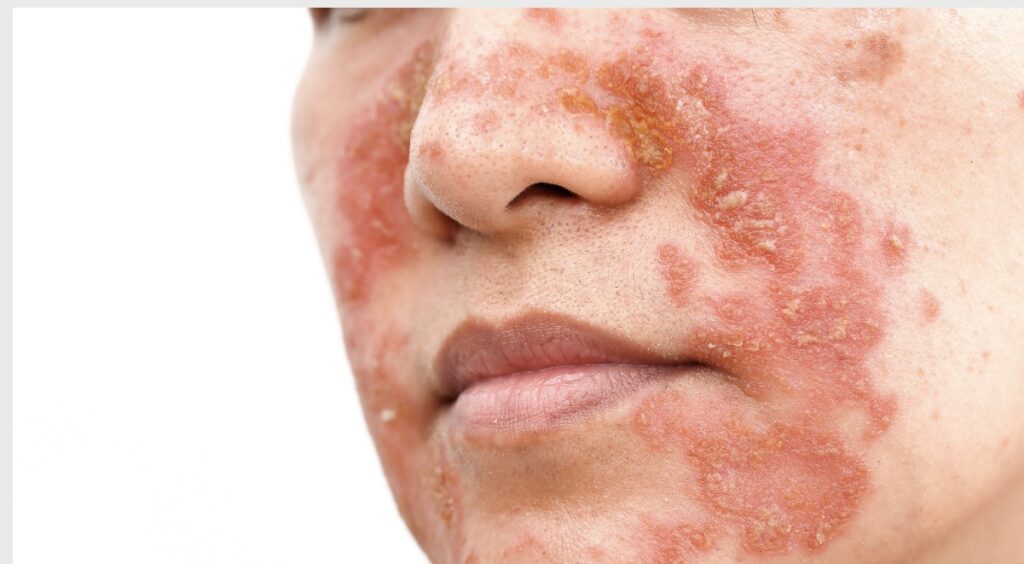
Eczema can affect quality of life, sleep and self esteem in some cases- particularly if visible on the hands or face. It goes as far as having feelings of embarrassment and shame and can affect family and social life in the long term leading up to depression, anxiety and isolation.
But, What is Eczema?
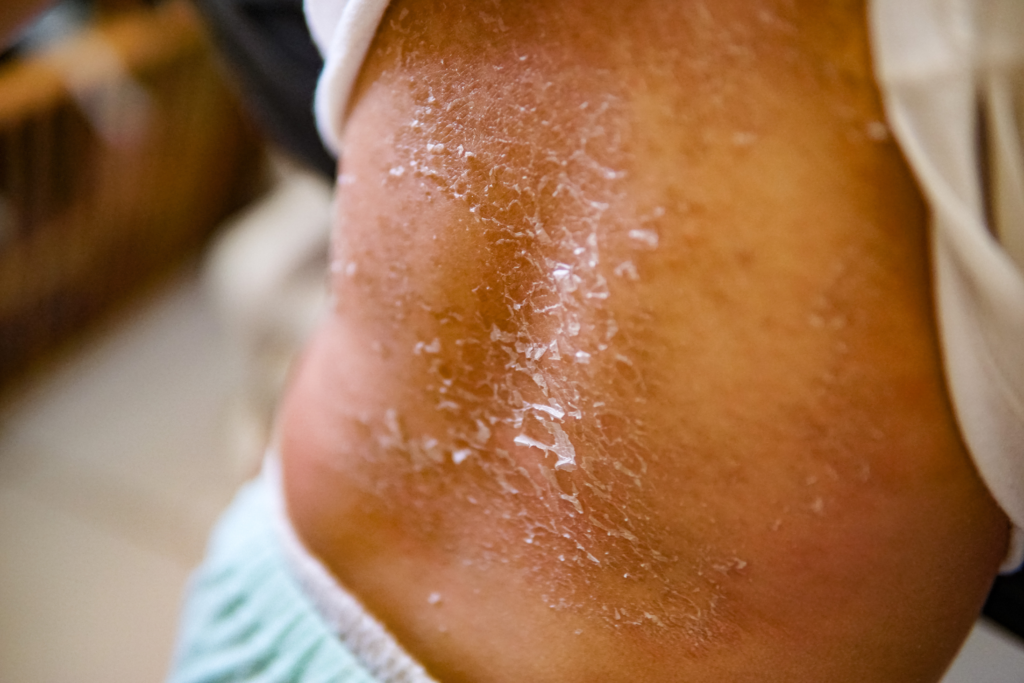
A medical condition in which patches of skin become rough and inflamed with blisters which cause itching and bleeding. It’s common in young children but can occur at any age, and also affects all skin colors.
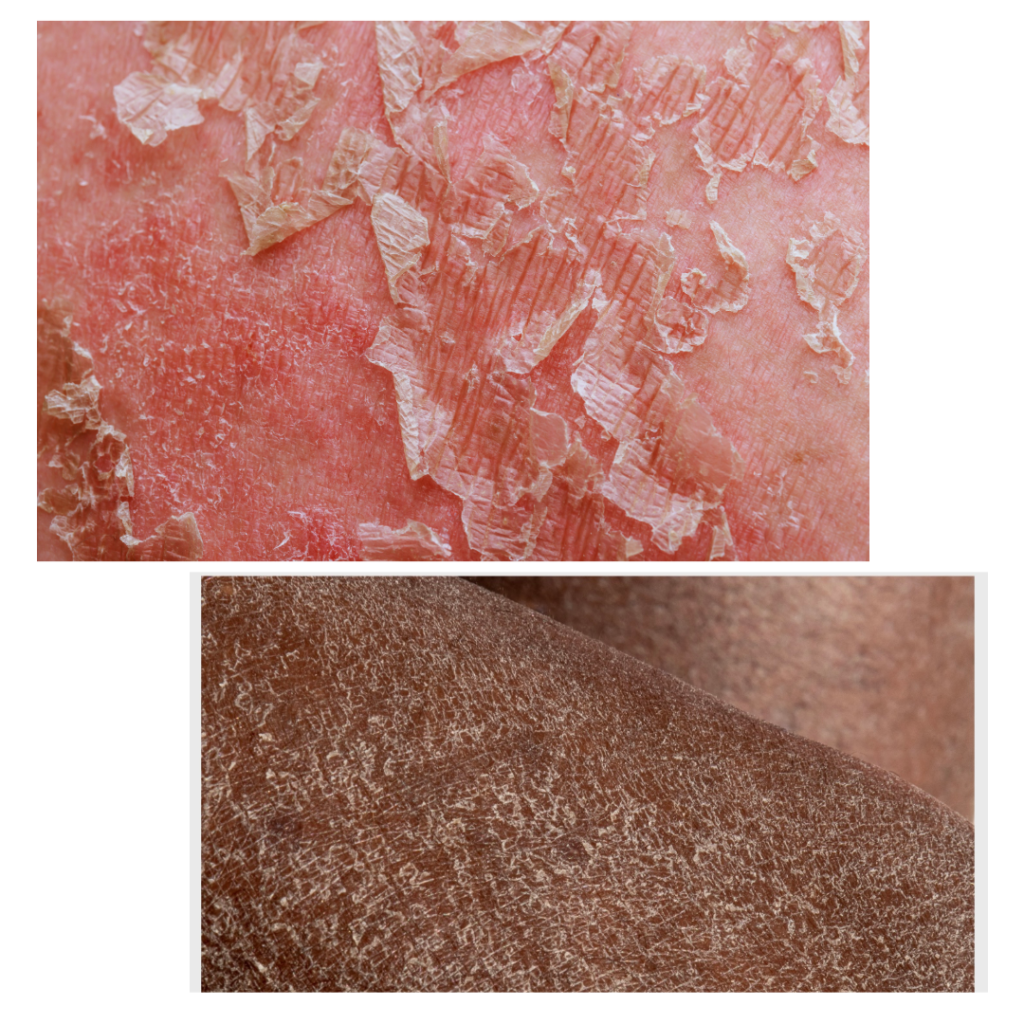
Eczema In the skin of color Eczema looks different depending on a person's skin color. On light skin, eczema typically causes inflamed pink or red patches that are dry and itchy. These lesions are harder to detect on dark skin tones and may appear purple, gray, or a darker brown than surrounding skin.
Causes Of Eczema
It is very important to determine which type of Eczema you might have before we can begin the cause and symptoms and it includes conditions such as:
1. Atopic dermatitis
An itchy inflammation of the skin.
Atopic dermatitis usually develops in early childhood and is more common in people who have a family history of the condition.
Looks
Red, itchy, patched , flaky skin like oval shapes on the skin. In people with light-colored skin, atopic dermatitis looks like red rashes. People with darker skin may develop brown, purple or gray rashes.
Symptoms
Usually self-diagnosable
The main symptom is a rash that typically appears on the arms and behind the knees, but can also appear anywhere.

2. Contact dermatitis
Contact dermatitis is your skin’s reaction to something in your environment that causes an itchy rash. “Dermatitis” is the medical term for skin irritation or swelling (inflammation). You get contact dermatitis by coming into contact with a substance, organism, object or chemical that’s irritating to your skin.
What are the types of contact dermatitis?
There are two types of contact dermatitis:
- Allergic contact dermatitis: Your body has an allergic reaction to a substance (allergen) that it doesn’t like. Common allergens include jewelry metals (like nickel), cosmetic products, fragrances and preservatives. It can take several days after exposure for an itchy rash to develop.
- Irritant contact dermatitis: This painful rash tends to come on quickly in response to an irritating substance. Common irritants include detergents, soap, cleaners and acid. Irritant contact dermatitis occurs more often than allergic contact dermatitis.
3. Dyshidrotic Eczema (Dyshidrosis)
Dyshidrotic eczema is a common skin condition that causes blisters and itchy skin. Triggers may include allergies, stress and frequently moist or sweaty hands and feet.
Looks
Dyshidrotic eczema causes dry, scaly patches of skin with blisters. These symptoms are common on your hands and feet.

4. Neurodermatitis
Neurodermatitis is a non-life-threatening skin condition involving itching and scratching, The itch can occur anywhere on the body but is most commonly found on the arms, shoulders, elbows, legs, ankles, wrists, hands, back of the neck or scalp. The anal and genital areas and the face might also itch. The itching can be intense, causing frequent scratching, or it might come and go.
5. Nummular eczema
Nummular eczema is a skin condition that causes circular, raised spots on your skin. Nummular comes from a Latin word for “coin,” and the patches are coin-shaped. The lesions are often itchy, sometimes ooze clear fluid and may become crusty on top. And in most cases, oftentimes it is mistaken for a ringworm
Understanding the difference: Nummular eczema vs. ringworm?
Ringworm and nummular eczema both cause circular patches on your skin. But the causes and treatments are different.
Ringworm is a contagious skin infection caused by a fungus. Nummular dermatitis is a type of eczema rather than a fungal infection. Ringworm tends to appear as one or two patches on your skin, but nummular eczema often causes multiple patches.
Is nummular eczema a fungus and contagious?
Nummular dermatitis isn’t a fungus, and it’s not contagious.
6. Seborrheic Dermatitis
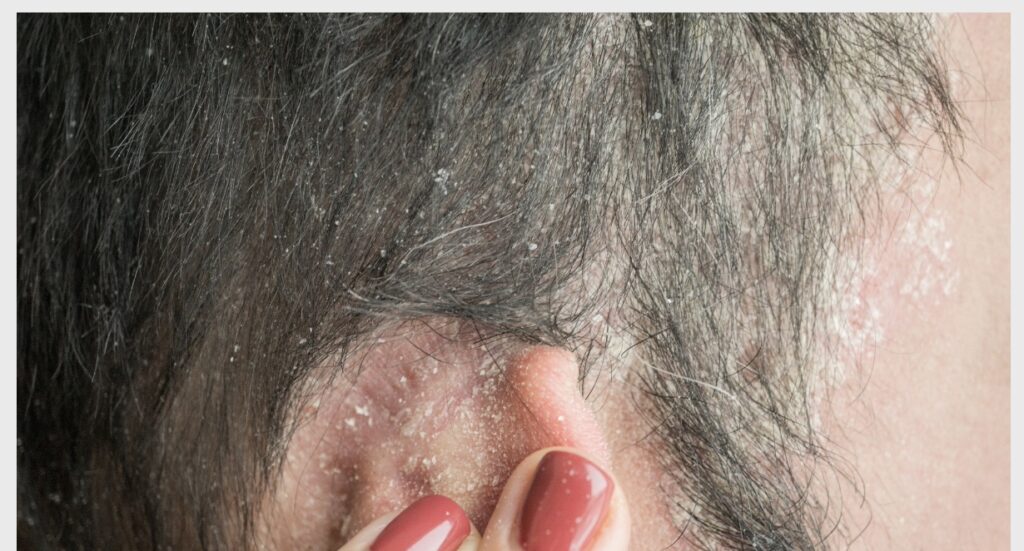
Seborrheic dermatitis is a common, noncontagious, easy-to-manage skin condition. This type of dermatitis causes itchy red patches and greasy scales on your skin along with white or yellow crusty or powdery flakes on your scalp.
Common Symptoms of Eczema
Itching and skin rash are the most common symptoms in addition to scaly patches, red skin, ooze of the skin and stubborn dandruff.
with research and statistics showing that 85% out of the total population of people experience itch symptoms everyday. For many people, the itch can range from mild to moderate. Up to 25% of people rate sleep disturbance as their most or second most burdensome symptom.
The best way to find out if you have eczema is to consult with a healthcare professional.
Treatment for Eczema
While there is no cure, eczema is treatable. There are creams and soaps over the counter that can be used but however, the most common advise is that you should consult with your healthcare professional always before starting any treatments.
Most Common triggers for Eczema include:
- Dry weather (low humidity).
- Fabrics or clothing material.
- Makeup or skin care products.
- Smoke and pollutants.
- Soaps and detergents.
- Stress or your emotional well-being.
- Touching something you're allergic to.
Easing Eczema symptoms
- Keep your fingernails short
- Use gentle cleansers that have been tested on sensitive skin.
- Avoid harsh abrasives and loofahs.
- Gently pat skin dry. Don't rub.
- Apply moisturizers to damp skin.
- Avoid scratching.
- Wear sunscreen.
- Antihistamines may help reduce severe itching
“ ITS NOT CONTAGIOUS
ITS JUST ATOPIC SKIN
IM SIMPLY AMAZING “